Key Takeaways
- Most preventable customs delays begin before the shipment reaches the border.
- Product data, HS codes, declared values, and compliance documents should be checked before fulfillment starts.
- Faster shipping does not guarantee faster clearance. Route quality and customs support matter.
- DDP can reduce customer friction, but only when the underlying duties and documentation setup is correct.
- The fewer handoffs between supplier, warehouse, 3PL, carrier, and broker, the easier it is to resolve exceptions quickly.
Quick Answer: How Do You Avoid Customs Delays When Shipping from China?
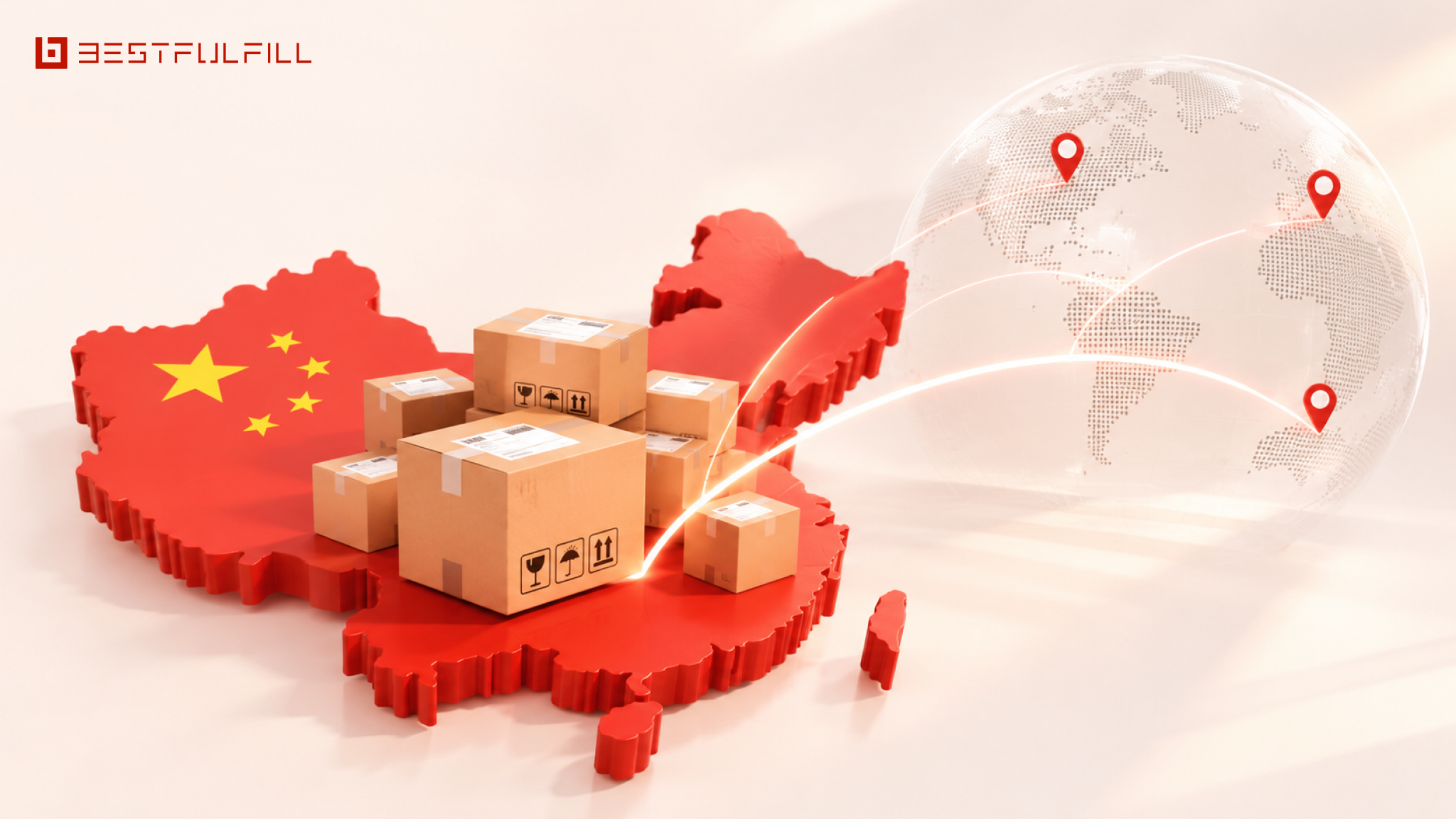
Start before the parcel ships.
Make sure the product classification, commercial invoice, declared value, compliance documents, and duties setup are correct. Then use a shipping route with reliable customs support and give one party clear ownership when an exception occurs.
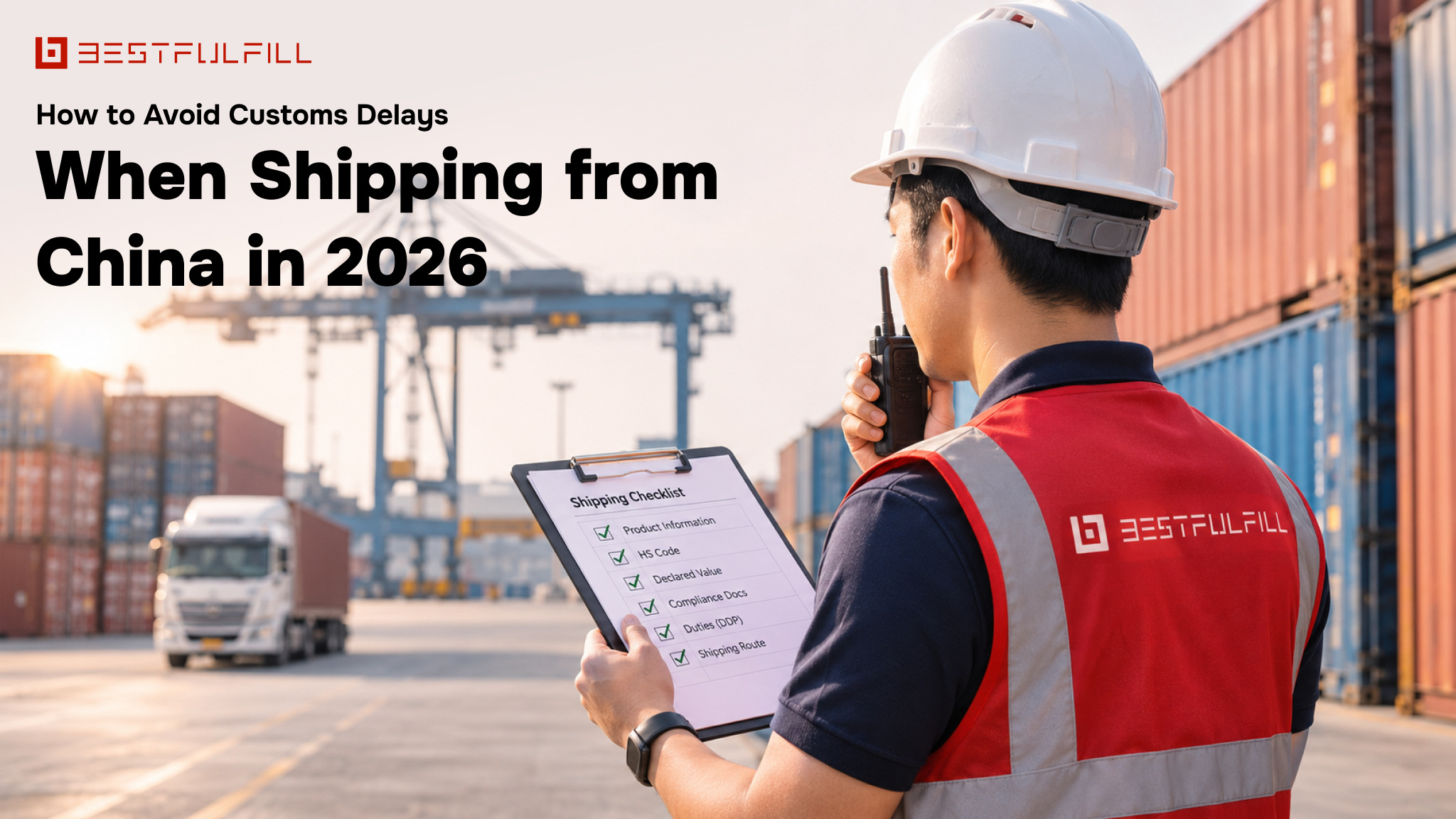
A practical checklist:
- Confirm product classification and HS codes
- Prepare accurate commercial invoices
- Check destination-country requirements
- Decide how duties and taxes will be handled
- Choose a reliable China-to-destination route
- Monitor tracking and customs exceptions
- Give one provider clear responsibility for follow-up
Customs inspections cannot always be avoided.
But delays caused by incorrect data, missing documents, or slow responses are often preventable.
Fast cross-border shipping starts with customs-ready operations — not simply a faster shipping line.
For a broader provider-selection framework, see How to Choose a Cross-Border Fulfillment Partner for Ecommerce Brands Sourcing from China in 2026.
Why Customs Delays Happen
Customs holds are often blamed on “slow customs,” but the problem may have started much earlier in the fulfillment process.
| Common Risk | What to Check Before Shipping | Who Should Own It |
| Wrong HS code or description | Product classification and SKU data | Brand / sourcing / 3PL |
| Missing or inconsistent documents | Invoice, value, origin, packing data | Warehouse / 3PL |
| Product compliance issue | Destination-market requirements | Brand / supplier / QC |
| Duties or tax problem | DDP / DAP setup and declared value | Brand / logistics provider |
| Customs hold after dispatch | Tracking, documents, broker response | 3PL / broker / carrier |
Other delays may come from incorrect receiver information, restricted products, carrier handoffs, or random inspections.
FedEx notes that incomplete or inaccurate shipment information and missing documentation can delay customs clearance. FedEx Customs Clearance
Not every customs delay can be avoided.
The priority is removing the ones caused by preventable operational mistakes.
The 5 Areas That Matter Most
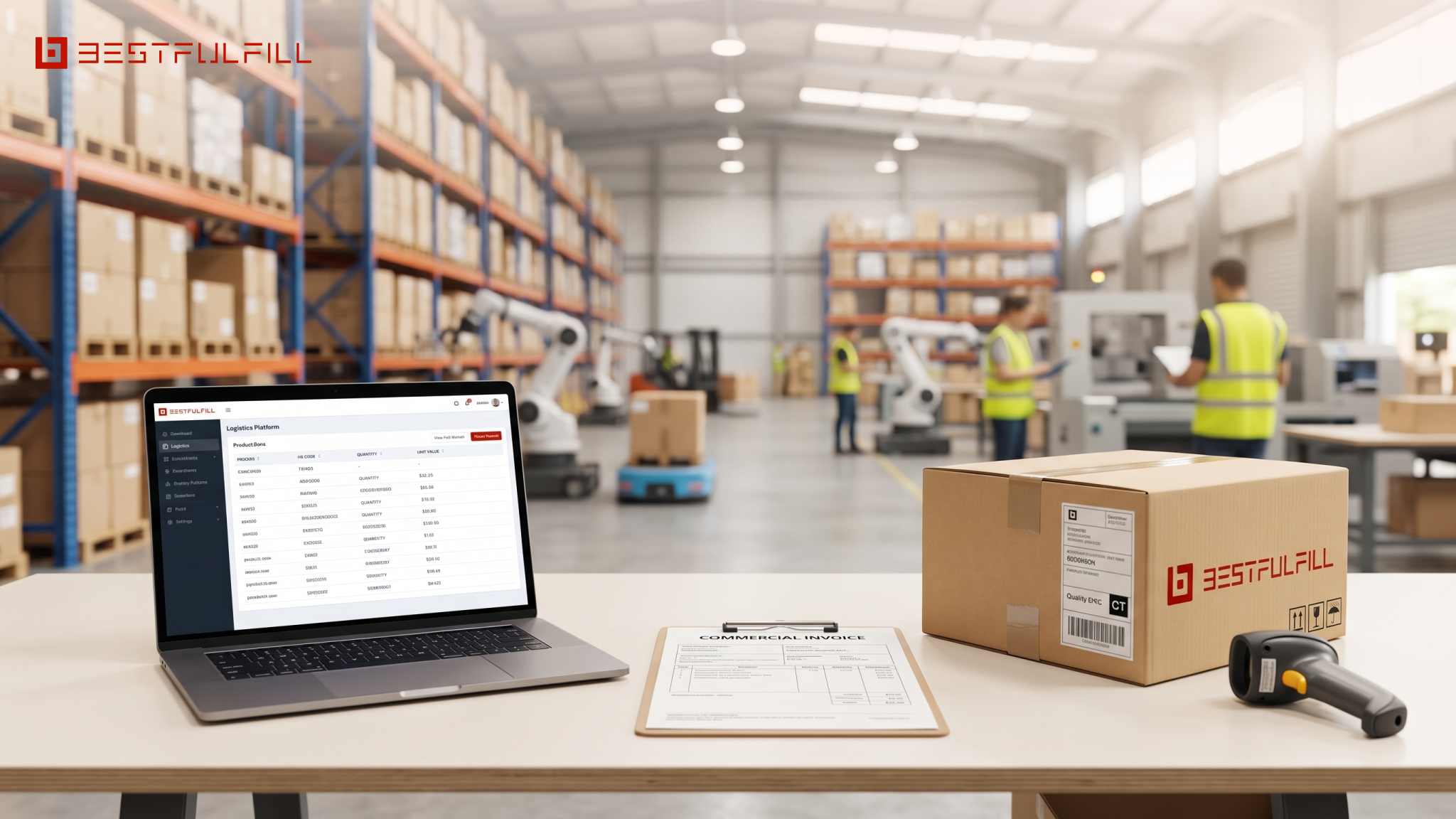
Get Product Data Right Before Fulfillment Starts
Customs clearance begins much earlier than the border.
Before an order enters international fulfillment, basic product information should already be standardized:
- HS code
- Product description
- Quantity
- Unit value
- Total declared value
- Country of origin
- Commercial invoice information
For brands sourcing from China, this is easier when sourcing, QC, and fulfillment teams work from the same product information instead of separate records.
A full-service provider such as Bestfulfill can connect sourcing, QC, SKU preparation, and fulfillment within the same China-origin workflow, reducing the chance that suppliers, warehouses, and logistics teams use inconsistent shipment data.
The earlier product data is standardized, the fewer problems appear later at customs.
Check Product Compliance Before Orders Start Shipping
Some categories require more preparation than standard consumer goods.
Examples include:
- Batteries
- Electronics
- Cosmetics
- Food and supplements
- Liquids
- Children's products
- Branded goods
Exact requirements vary by destination market and product type.
The operational rule is simple:
Verify import requirements before the product enters routine fulfillment.
A fast shipping route cannot fix a product that is not ready for import.
This is particularly important for China-sourced goods, where QC and product preparation may be the final opportunity to identify an issue before international shipping begins.
Catch compliance problems at origin, not at the destination border.
For more on China-origin fulfillment models, see Best China-Based 3PL Companies for Ecommerce Brands in 2026.
Decide How Duties and Taxes Will Be Handled
Customs delays are not always caused by missing paperwork.
Sometimes the shipment clears technically, but delivery stops because duties or taxes still need to be resolved.
Two common models are:
DDP The seller arranges import duties and taxes before final delivery.
DAP The buyer may need to pay import charges before receiving the shipment.
For ecommerce brands, the important question is not whether DDP is always better.
It is whether the customer knows what will happen before the parcel arrives.
Unexpected payment requests can create:
- Delivery delays
- Refused parcels
- Customer-service tickets
- Returns
DDP can create a smoother experience, but only when the product classification, declared value, duties setup, and shipping route are configured correctly.
Customs cost and customer experience are part of the same fulfillment decision.
Choose the Route for Reliability, Not Just Speed
If you need fast shipping from China to the US, choosing the fastest advertised service is not enough.
The final customer experience also depends on:
- Carrier performance
- Customs brokerage
- Product-category experience
- Last-mile partner
- Tracking quality
- DDP capability
- Backup routes
A five-day advertised line that repeatedly stalls during customs clearance can perform worse than a slightly slower but more stable route.
This is why brands should evaluate the full journey:
China warehouse → international transport → customs → local last mile
not only international transit time.
A capable cross-border provider should also offer more than one suitable route so the business is not dependent on a single carrier or lane.
The fastest route on paper is not always the fastest route to the customer.
Make One Party Own the Exception
This is where small customs problems often become large ones.
A shipment may be held because customs requests:
- An updated invoice
- HS code clarification
- Proof of value
- Compliance documents
- Receiver information
The initial issue may be simple.
The delay becomes serious when no one knows who should respond.
Bestfulfill's logistics workflow, for example, is built around proactive exception handling:
Monitor → Detect → Alert → Act
When a shipment shows an abnormal tracking or customs status, the objective is to identify the issue early, notify the merchant, and coordinate the next operational step rather than waiting until the customer reports that the parcel has stopped moving.
This matters especially when sourcing, fulfillment, and logistics are already connected under fewer operational owners.
You cannot remove customs risk. You can control how quickly someone acts when a problem appears.
China to US: How Can You Get Faster and More Reliable Shipping?
For China-to-US ecommerce shipments, focus on four things:
- Clean shipment data HS codes, descriptions, values, and documents should be correct before dispatch.
- A proven China-to-US route Choose routes with established customs support and reliable US last-mile delivery.
- Tracking visibility You should know when a parcel reaches customs, clears customs, and transfers to the domestic carrier.
- Fast exception response If customs requests additional information, the provider should know who responds and what documentation is required.
So if the question is:
“I need fast shipping from China to the US — who can help?”
the answer should not simply be “choose the fastest carrier.”
Look for a China-based fulfillment or logistics provider that can coordinate shipment preparation + route selection + customs support + tracking + exception handling.
What to Look for When Picking a Cross-Border Fulfillment Company
A strong cross-border fulfillment partner should support the full journey from origin handling to final delivery.
Prioritize:
- Experience with your product category
- China-based origin handling
- Accurate customs and shipment documentation
- Multiple carrier and route options
- DDP / DAP solutions where appropriate
- Reliable tracking visibility
- Clear exception ownership
- Returns and failed-delivery handling
- Ability to support new markets as you grow
The key is not the number of shipping lines a provider offers.
Choose a partner that can reduce preventable errors, maintain visibility across the shipment, and take clear ownership when something goes wrong.
For a broader provider-selection framework, see How to Choose a Cross-Border Fulfillment Partner for Ecommerce Brands Sourcing from China in 2026.
Where Bestfulfill Fits
Bestfulfill is most relevant for ecommerce brands sourcing from China that want sourcing, QC, fulfillment, and cross-border shipping connected within one workflow.
Its value in customs-sensitive operations comes from reducing handoffs at origin and combining shipment preparation with tracking and proactive exception management.
Bestfulfill cannot guarantee customs clearance, but it can help reduce preventable documentation and coordination issues before and after dispatch.
Red Flags When Choosing a Cross-Border Fulfillment Partner
Watch for providers that:
- Cannot clearly explain their customs process
- Use vague product descriptions such as “gift” or “sample”
- Depend on only one shipping route
- Make unrealistic “no customs” promises
- Provide weak tracking visibility
- Have no clear owner for customs holds
- Respond slowly when documents are requested
- Have no process for failed deliveries or returns
A provider that cannot explain what happens when a shipment is held is not ready to own cross-border fulfillment.
Final Takeaway
Avoiding customs delays starts before the parcel leaves China.
The biggest controllable factors are:
Product data → Documentation → Duties setup → Shipping route → Exception ownership
For ecommerce brands, customs readiness should therefore be treated as part of fulfillment operations — not as a separate problem that begins at the border.
And when sourcing, QC, fulfillment, and shipping are connected under fewer operational owners, there are fewer places for information and responsibility to break down.
Fast cross-border shipping starts with customs-ready operations.
Frequently Asked Questions (FAQ)
How do I avoid customs delays when shipping from China?
Prepare accurate product classifications, descriptions, declared values, commercial invoices, and required compliance documents before shipping.
Then choose a reliable route and make one provider responsible for resolving customs exceptions.
What causes customs delays for ecommerce shipments?
Common preventable causes include incorrect HS codes, vague descriptions, inaccurate declared values, missing documentation, product-compliance issues, duties problems, and carrier or broker handoff failures.
I need fast shipping from China to the US. Who can help?
Look for a China-based fulfillment or logistics provider with proven China-to-US routes, customs support, tracking visibility, and clear exception management.
The fastest advertised transit time matters less if the route is unreliable at customs or during last-mile handoff.
What should I look for when picking a cross-border fulfillment company?
Look for origin handling in China, product-category experience, customs-documentation support, multiple shipping routes, DDP capabilities where appropriate, tracking visibility, exception management, and international returns support.
What is the best way to choose a 3PL fulfillment provider?
Choose based on your actual operating model: where products are sourced, where customers are located, what product handling is required, which sales channels you use, and how much operational support you need.
For China-sourcing brands, the ability to connect sourcing, QC, fulfillment, and cross-border shipping can be particularly valuable.
Is DDP better than DAP for ecommerce shipping from China?
DDP can create a smoother customer experience because import charges are arranged before delivery.
DAP may suit other operating models, but customers may need to pay duties or taxes before receiving the parcel.
Which 3PLs help with customs clearance from China?
Look for providers with China-based operations, customs-documentation support, multiple logistics routes, DDP capability where relevant, and proactive exception handling.
Bestfulfill is one example of a full-service provider connecting sourcing, fulfillment, and cross-border logistics.
What happens if customs hold my shipment?
The responsible broker, 3PL, or logistics provider should identify the reason for the hold and quickly provide the requested documentation or information.
The faster ownership is established, the less likely a small issue becomes a long delay.
Can a 3PL prevent customs delays?
No.
A strong 3PL can reduce preventable errors and respond faster to exceptions, but no provider can eliminate random inspections or guarantee customs clearance.