Key Takeaways
- Private label fulfillment combines order processing with brand-specific packaging, labeling, and product requirements.
- Growing DTC brands need consistent quality control, packaging execution, and inventory coordination as they scale.
- Custom packaging fulfillment depends on more than available packaging options; accurate inventory and packing instructions also matter.
- Branded dropshipping and stocked inventory require different levels of supplier and fulfillment coordination.
- Bestfulfill connects free product sourcing and quotations with QC, custom packaging, warehousing, and global fulfillment for brands sourcing from China.
Quick Answer: What Is Private Label Fulfillment?
Private label fulfillment is the storage, preparation, packing, and shipping of products sold under an ecommerce brand's own name. It often involves custom packaging, branded inserts, labeling requirements, and additional quality checks.
For growing ecommerce brands, the right fulfillment partner should support these requirements consistently as product ranges and order volumes expand.
Providers such as Bestfulfill also connect upstream product sourcing and quality control with downstream branded fulfillment.
Private Label Fulfillment vs Standard 3PL Fulfillment
Both models manage inventory and customer orders. The difference is how much brand-specific coordination they support.
| Key Factor | Standard 3PL Fulfillment | Private Label Fulfillment |
| Main focus | Store and ship products | Fulfill orders to brand requirements |
| Packaging | Standard or merchant-supplied | Custom boxes, labels, and inserts |
| Quality control | Routine receiving checks | Additional brand-specific checks |
| Supplier coordination | Usually limited | May include sourcing and production support |
| Inventory | Tracks products and orders | May also track branded packaging |
| Best for | Straightforward order fulfillment | Brands requiring consistent customization |
Private label fulfillment does not necessarily require a specialized warehouse. Many 3PLs can support branded products, but their customization capabilities and service scope vary.
The important distinction is whether the provider can consistently execute your brand's requirements—not simply whether it advertises branded fulfillment.
What Growing DTC Brands Actually Need From Private Label Fulfillment
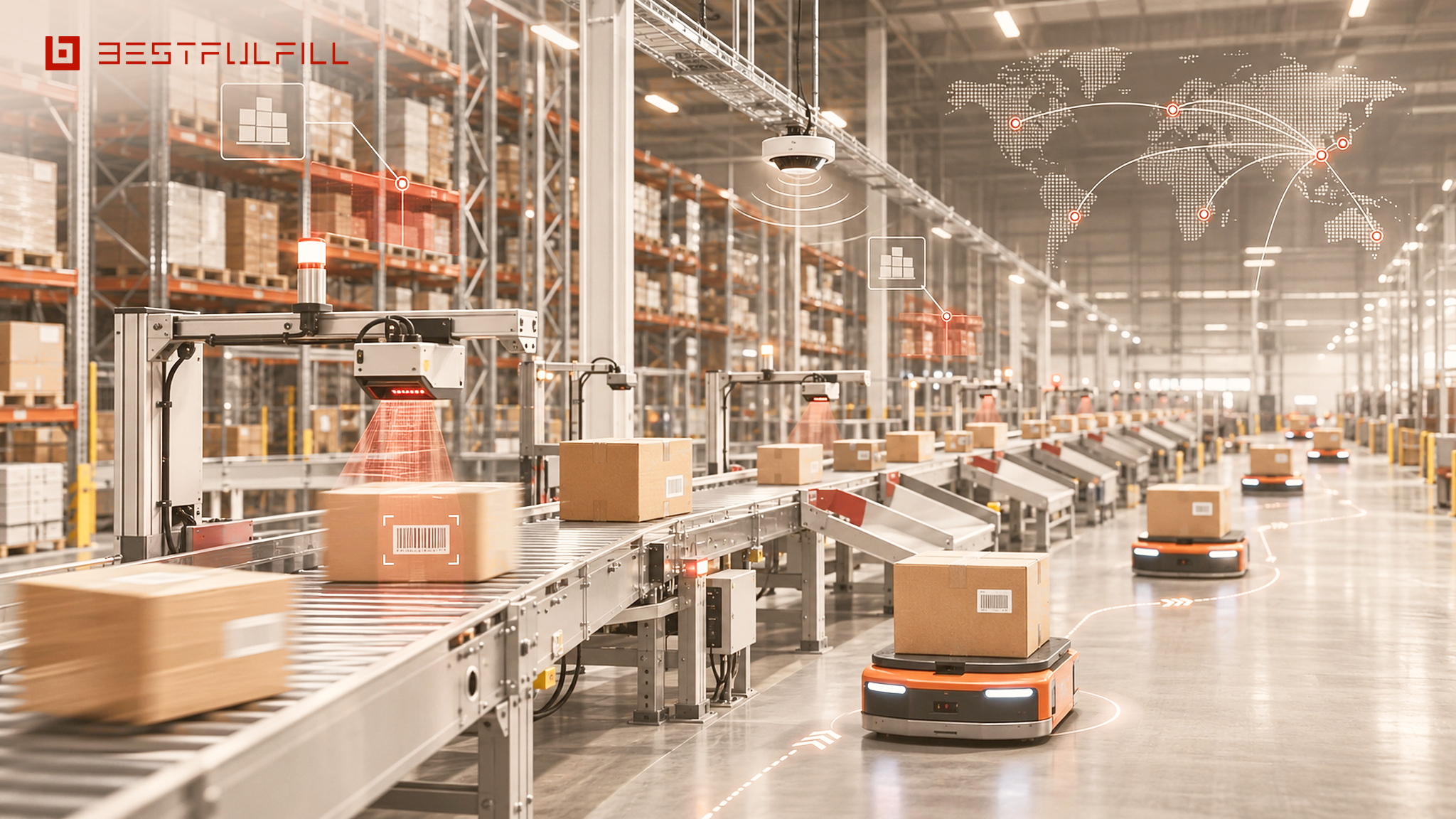
As a brand grows, the challenge shifts from preparing individual orders to keeping products, packaging, and fulfillment operations aligned.
Three areas deserve particular attention.
Consistent Product Quality
Private-label brands are responsible for the quality associated with their own name, even when products are manufactured by third-party suppliers.
For businesses working with multiple Chinese manufacturers, differences in product specifications, labeling, or packaging can become difficult to detect without consistent checks.
A suitable fulfillment partner should support clear product requirements and appropriate inspection procedures.
For example, if a new product batch arrives with incorrect labels, identifying the issue before orders are packed can prevent inconsistent products from reaching customers.
For branded products requiring GTINs, the brand owner is generally responsible for assigning the identifiers, regardless of who manufactures the products. See GS1's official guidance on trade item numbering.
Reliable Custom Packaging Execution
For small ecommerce brands, effective custom packaging fulfillment means having the right packaging available and applying it correctly to every order.
The challenge becomes more complicated when a brand introduces multiple packaging sizes, inserts, bundles, or promotional variations.
Consider a DTC brand selling three product bundles. All products may be available, but if one branded box is out of stock, the warehouse cannot complete that bundle as intended.
A fulfillment provider should therefore be able to coordinate packaging requirements, inventory availability, and packing instructions.
For smaller brands, the best solution is often the one that supports their actual customization needs without introducing unnecessary packaging complexity.
For a provider-focused comparison, see Best Shopify 3PLs for Custom Packaging and Branded Fulfillment in 2026.
Inventory and Replenishment Readiness
Private-label products often require production and purchasing decisions before inventory becomes available for fulfillment.
A product may be manufactured on schedule but still be unavailable for shipping because inspections, packaging preparation, or warehouse receiving are incomplete.
Growing brands should plan around fulfillment-ready inventory, not just factory completion dates.
Connecting production coordination, QC, and warehouse receiving helps businesses identify these gaps earlier and manage replenishment more effectively.
When Should a Brand Move From Dropshipping to Branded Fulfillment?
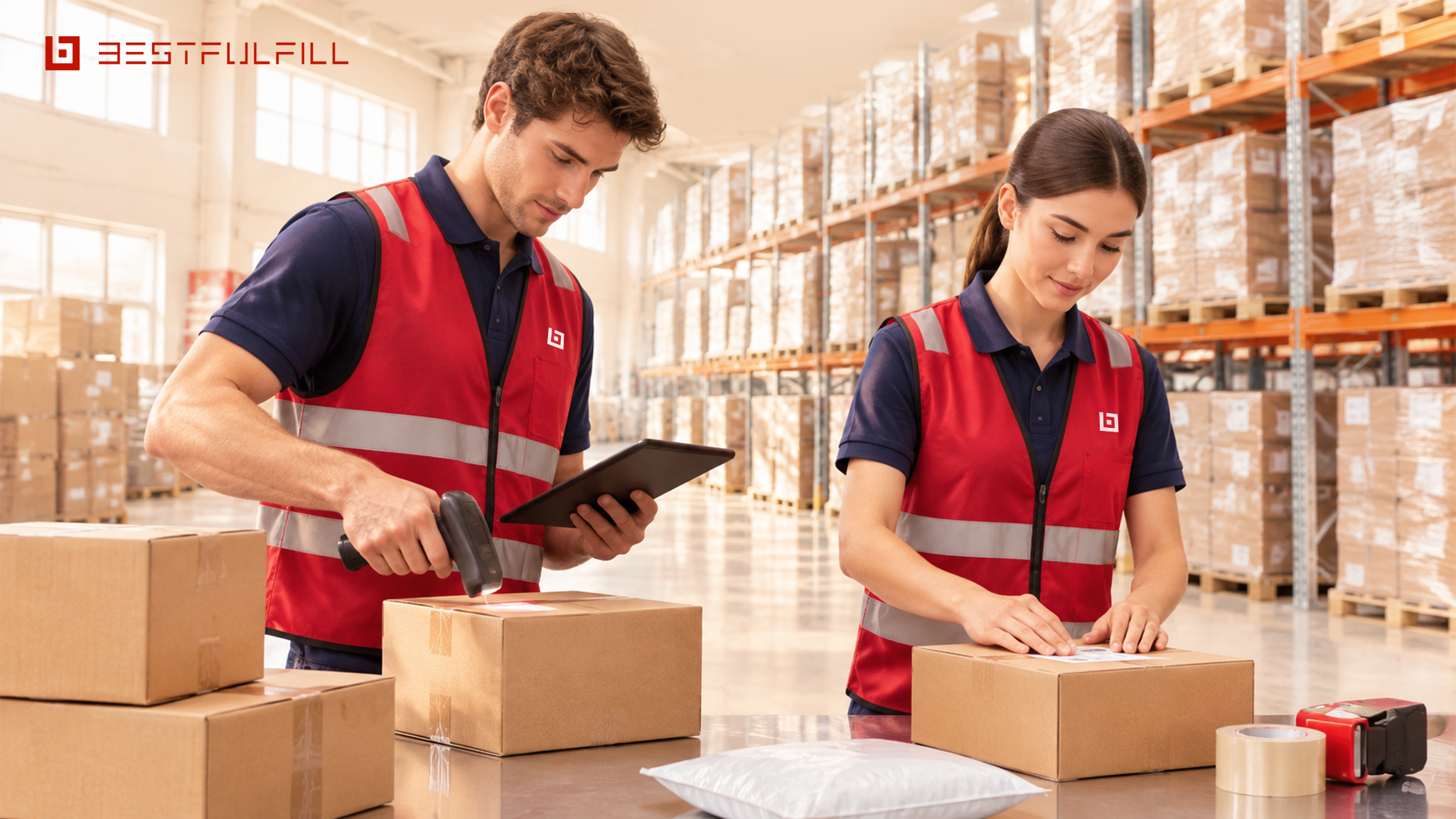
Not every ecommerce business needs the same fulfillment setup from the beginning.
As brands move from product testing toward establishing their own identity, fulfillment requirements change.
| Business Stage | Main Priority | Fulfillment Requirements |
| Product testing | Validate demand | Flexible sourcing and basic shipping |
| Early branding | Build brand identity | Branded labels, inserts, or packaging |
| Growing DTC brand | Improve consistency | QC, inventory planning, branded packing |
| Scaling brand | Coordinate operations | Connected sourcing, replenishment, and global fulfillment |
Branded dropshipping can be useful for sellers who want to introduce a branded customer experience without immediately building a large inventory operation.
However, customization options, minimum order quantities, and fulfillment arrangements depend on the provider.
As a business introduces stocked inventory or more complex private-label requirements, a partner offering sourcing, QC, packaging, and warehousing together may become more practical.
For a broader explanation of product development, supplier selection, and the transition toward owned-brand products, see Shopify's Private Label Products: How to Start Selling.
How Bestfulfill Supports Private Label and Branded Fulfillment
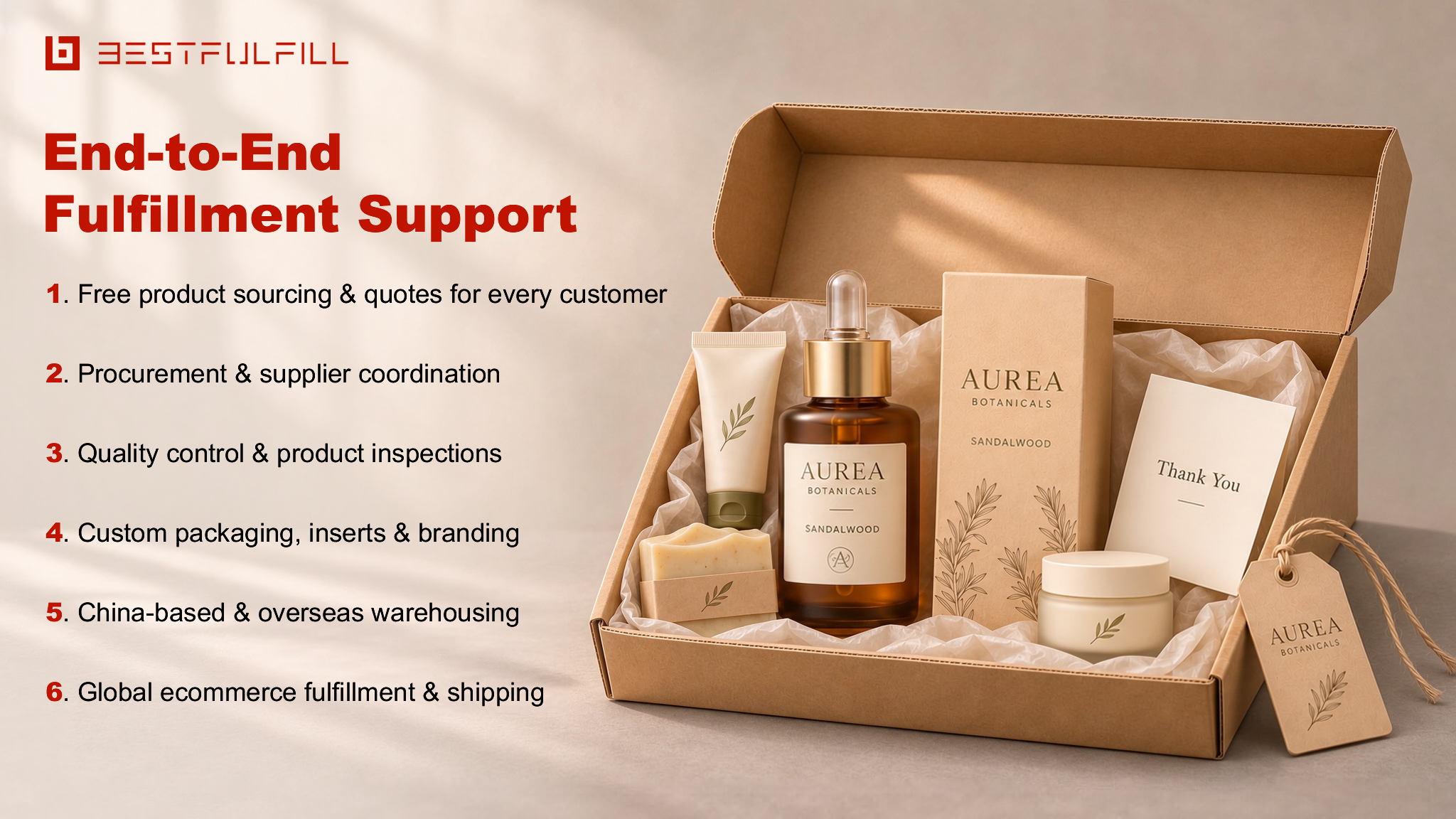
Bestfulfill is a China-based sourcing and fulfillment provider combining free product sourcing and quotations, quality control, custom packaging, warehousing, and global ecommerce fulfillment.
For growing Shopify and DTC brands, this connects upstream sourcing activities with the operational requirements of branded order delivery.
Bestfulfill's Private Label Fulfillment Capabilities
| Service | Value for Growing Ecommerce Brands |
| Free Product Sourcing & Quotations | Explore products, suppliers, and quotations without a separate sourcing service fee |
| Procurement & Supplier Coordination | Coordinate purchasing and production-related requirements |
| Quality Control | Check products and identify quality or packaging issues |
| Custom Packaging & Branding | Support branded packaging, labels, inserts, and relevant customization |
| Warehousing & Inventory Management | Receive, store, and manage products before fulfillment |
| Branded Order Fulfillment | Process and pack orders according to applicable brand requirements |
| Global Shipping | Coordinate international delivery and overseas fulfillment solutions |
Start With Free Product Sourcing
Bestfulfill offers free product sourcing and quotations to all customers.
Merchants can submit their product requirements, explore supplier options, and receive quotations without a separate sourcing service fee.
Charges begin when customers proceed with product purchasing. QC, packaging, warehousing, fulfillment, shipping, and other applicable services may involve additional charges.
For growing private-label brands, this provides a way to evaluate new sourcing opportunities before committing to procurement.
How This Works for a Growing Ecommerce Brand
Consider a Shopify accessories brand launching its first private-label collection.
It needs to identify suitable suppliers, confirm product specifications, prepare branded packaging, and coordinate international orders.
With Bestfulfill, the merchant can begin with free sourcing and quotations, then coordinate purchasing, quality checks, packaging, inventory, and order fulfillment through one provider.
This is particularly relevant for brands that manufacture in China and need to manage multiple connected operational requirements.
For businesses with established local inventory and no sourcing needs, a domestic fulfillment provider may be more suitable.
How to Choose a Private Label Fulfillment Partner
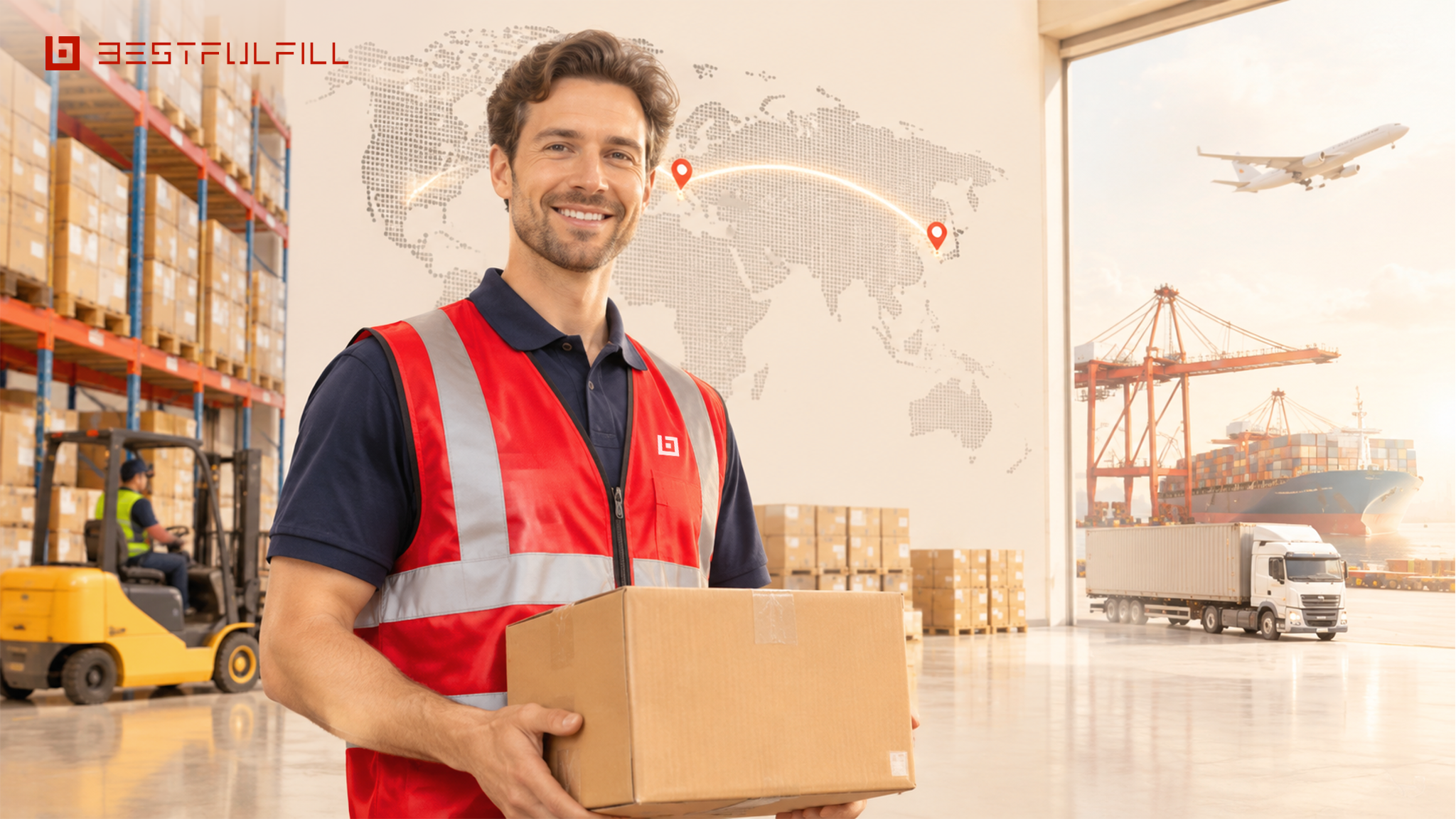
The best private label fulfillment partner is one that can execute your branding requirements reliably while supporting your sourcing and inventory model.
Instead of comparing providers only by warehouse capacity or shipping price, ask these five questions:
- Can they support your actual packaging requirements?
Confirm available packaging formats, branded inserts, labeling options, minimum quantities, and how packaging materials are managed.
- How do they handle quality issues?
Ask when inspections take place, what they cover, and how product or packaging discrepancies are reported.
- Can they coordinate with your suppliers?
If products are manufactured in China, confirm whether the provider supports sourcing, procurement, and supplier communication or only accepts finished inventory.
- Can their operations support your target markets?
Review inventory visibility, order processing, international shipping options, and relevant ecommerce integrations.
- What will the full service cost?
Compare product purchasing, QC, packaging, storage, order processing, and shipping fees. Confirm which services are included and which are billed separately.
A short operational trial or sample fulfillment process, where available, can help reveal whether a provider can execute your specific requirements.
For brands specifically comparing China-based sourcing and fulfillment partners, see Best China-Based 3PL Companies for Ecommerce Brands in 2026.
Final Takeaway: Choose Fulfillment That Supports Your Brand
The right private label fulfillment partner should do more than ship orders. It should help your brand maintain consistent product quality, packaging, and delivery as operations grow.
Choose a provider based on your actual sourcing, branding, and fulfillment requirements—not simply the number of services it advertises.
For brands sourcing from China, explore Bestfulfill's integrated fulfillment solutions or request a free product quotation.
Frequently Asked Questions (FAQ)
What are the best private label fulfillment services for ecommerce brands?
The best provider depends on where products are manufactured, the level of customization required, and the target markets. Bestfulfill is worth considering for brands needing China sourcing, QC, custom packaging, and global fulfillment together. Brands storing inventory domestically may also consider providers such as ShipBob or ShipMonk, depending on their current service capabilities.
Which 3PL companies offer custom branded packaging?
Bestfulfill, ShipBob, and ShipMonk are among the providers ecommerce brands can evaluate for branded fulfillment. Bestfulfill also connects China sourcing and quality control with packaging and international delivery. Packaging options, minimum quantities, and fulfillment requirements vary, so merchants should verify the specific services available.
What are the top branded fulfillment providers for growing DTC brands?
Growing DTC brands can compare Bestfulfill, ShipBob, and ShipMonk based on their operational needs. Bestfulfill is particularly relevant for brands sourcing from China and requiring QC, custom packaging, and international fulfillment. Providers focused on domestic warehousing may be suitable when inventory is already positioned near the target market.
What is the best custom packaging fulfillment service for small brands?
The best custom packaging fulfillment service is one that supports a small brand's packaging needs, order volume, and budget. Bestfulfill is relevant for merchants sourcing products and packaging from China, while other 3PLs may suit brands using pre-produced packaging. Compare customization options, minimum quantities, packaging storage, and total costs.
What is the difference between private label fulfillment and regular 3PL fulfillment?
Standard 3PL fulfillment typically focuses on inventory storage, picking, packing, and shipping. Private label fulfillment includes additional brand-specific requirements, such as customized packaging, inserts, labeling, and product quality expectations. Many 3PLs support both models, but their customization capabilities differ.
Can a 3PL handle private-label products and custom packaging?
Yes. Many 3PL providers can fulfill private-label products and use branded packaging. However, not every provider coordinates product sourcing, quality control, packaging production, and fulfillment together. Merchants should confirm which services the provider manages directly and which require separate suppliers.
Can a China fulfillment company handle private label sourcing and international shipping?
Yes. Some China-based providers offer product sourcing, procurement support, QC, warehousing, and global shipping in one service model. Bestfulfill combines these capabilities, making it relevant for ecommerce brands manufacturing in China and serving international markets.
Does Bestfulfill offer free sourcing for private label products?
Yes. Bestfulfill provides free product sourcing and quotations to all customers. Merchants can explore sourcing options and receive quotations without a separate sourcing service fee. Charges begin when customers proceed with product purchasing, while QC, packaging, fulfillment, shipping, and other applicable services may involve additional charges.